

Uneven skin tone, acne marks, dark spots and dullness can make your skin appear tired even when you follow a regular skincare routine. A professionally performed chemical peel in Mumbai can help remove damaged surface cells, improve skin texture and reveal fresher-looking skin underneath.
At Blanco Aesthetics, every chemical peel treatment is selected according to the patient’s skin type, sensitivity and specific concerns. Rather than using the same peel for everyone, the treatment is customised to address concerns such as active acne, acne scars, pigmentation, tanning, fine lines and uneven skin tone.
Quick Answer
A chemical peel is a professional skin resurfacing treatment in which a carefully selected solution is applied to exfoliate damaged skin cells. It can help improve acne, pigmentation, dark spots, rough texture, dullness and early signs of ageing. The type and strength of the peel should be selected by a qualified skin professional after examining your skin.
What Is a Chemical Peel?
A chemical peel is a controlled exfoliation treatment designed to improve the appearance and texture of the skin. During the procedure, a specialised solution is applied to the treatment area. This solution helps loosen and remove dead or damaged skin cells from the surface.
As the treated skin renews itself, the complexion may gradually appear clearer, smoother and more even. A chemical peel treatment may be performed on the face, neck, back, arms or other areas affected by acne, pigmentation, sun damage or uneven texture.
What Skin Concerns Can Chemical Peels Treat?
Chemical peels can be customised for different skin concerns. Their suitability and results depend on the ingredients used, the depth of the peel and the patient’s skin condition.
Chemical Peel for Acne
A chemical peel for acne may help unclog pores, control excess oil and reduce the buildup of dead skin cells. Ingredients such as salicylic acid are commonly considered for oily and acne-prone skin because they can penetrate congested pores. Chemical peels may be included in a broader acne-management plan.
Chemical Peel for Acne Scars
A chemical peel for acne scars may improve the appearance of superficial marks and uneven skin texture by encouraging controlled skin renewal. However, deep or depressed acne scars may require a combination of treatments.
Chemical Peel for Pigmentation
A chemical peel for pigmentation can help reduce the appearance of uneven tone, post-acne marks, sunspots and certain types of superficial discolouration. Blanco Aesthetics offers different peel options for pigmentation concerns, including TCA, BioRe, MeLine and Cosmelan-based treatments.
Chemical Peel for Dark Spots
Dark spots may develop due to acne, sun exposure, inflammation or increased melanin production. A chemical peel for dark spots works by exfoliating pigmented surface cells and supporting a more even-looking complexion. Consistent sun protection is essential for maintaining the results.
Chemical Peel for Glowing Skin
A mild chemical peel for glowing skin can remove accumulated dead cells that make the complexion appear rough or dull. Gentle or superficial peels are often chosen before special occasions because they provide visible freshness with less downtime.
Types of Chemical Peels Available at Blanco Aesthetics
Different peel formulations work at different skin depths and target different concerns. The treatment menu at Blanco Aesthetics includes:
- ✓ Salicylic Acid Peel
- ✓ Glycolic Acid Peel
- ✓ TCA Peel
- ✓ Black Peel
- ✓ Yellow Peel
- ✓ BioRe Peel
- ✓ Retinol Peel
- ✓ Cosmelan & MeLine Peels
How a Chemical Peel Treatment Is Performed
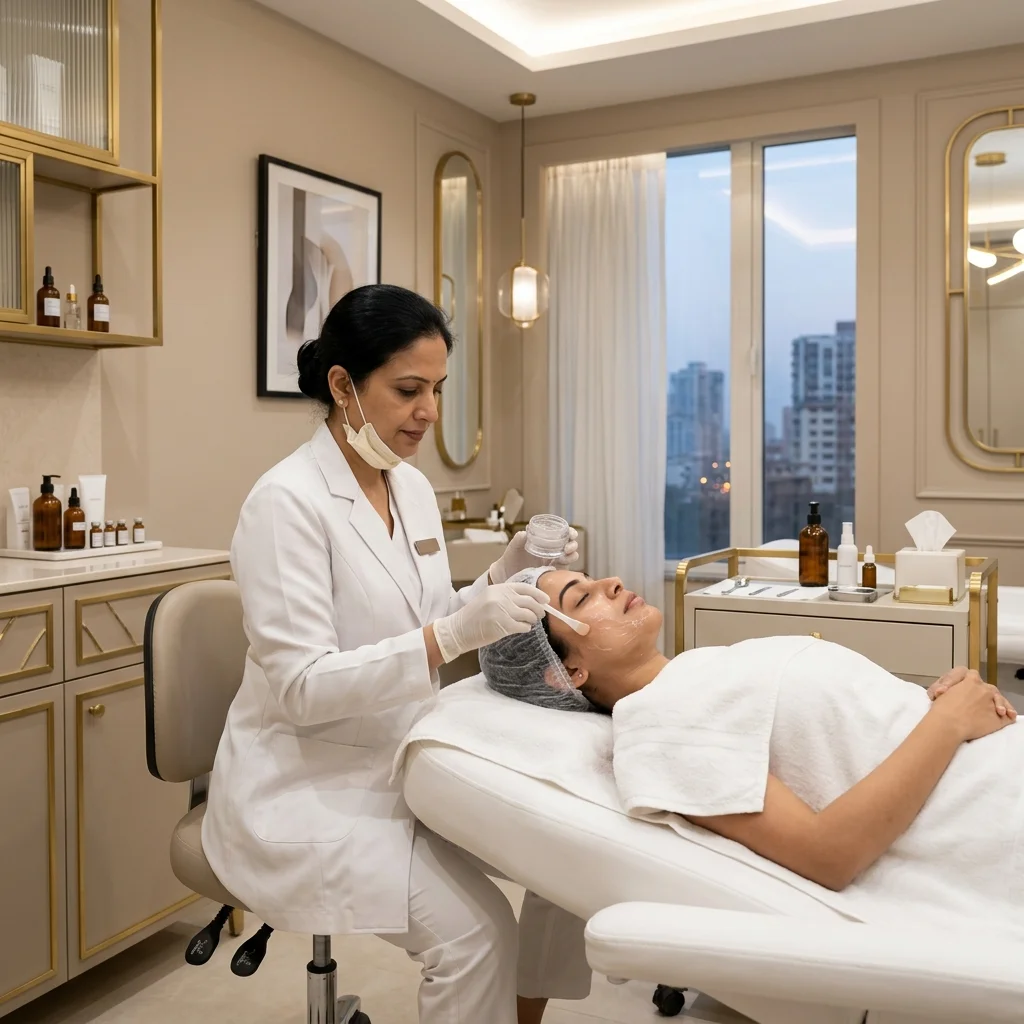
A chemical peel should be performed by a trained skin professional after evaluating the patient's skin type, sensitivity and treatment goals.
Complete a skin consultation
The practitioner examines the skin and discusses concerns such as acne, pigmentation, dark spots, dullness or uneven texture. Previous treatments, medications and skincare products may also be reviewed.
Cleanse the treatment area
The treatment area is cleaned to remove makeup, sunscreen, excess oil and surface impurities so that the peel can be applied evenly.
Protect sensitive areas
Sensitive areas around the eyes, lips, nostrils and other vulnerable parts may be protected before applying the chemical peel.
Apply the chemical peel
The selected chemical peel solution is applied carefully to the treatment area. The type and concentration depend on the patient's skin condition, sensitivity and treatment goals.
Monitor the skin response
The practitioner monitors the skin throughout the treatment. Mild tingling, warmth or temporary stinging may occur depending on the peel formulation.
Neutralise or remove the peel
The chemical peel is neutralised or removed after the required application time. Some formulations may be left on according to the recommended treatment protocol.
Apply soothing skincare
A soothing moisturiser, recovery product or broad-spectrum sunscreen is applied to protect and calm the treated skin.
Follow chemical peel aftercare
The patient should use gentle skincare, apply sunscreen, avoid direct sun exposure and temporarily stop scrubs, retinoids or strong active products as instructed.
Comfort, Pain & Downtime Expectations
Does a Chemical Peel Hurt?
Most superficial peels cause mild tingling, warmth or temporary stinging during application. Stronger peels may cause more noticeable discomfort and require additional aftercare. The treatment should not be excessively painful.
Is There Any Downtime?
Downtime depends on the type and strength of the peel. A mild skin peeling treatment may cause little or no visible peeling. Medium-depth treatments may result in redness, dryness, flaking or temporary sensitivity for several days. Do not pick or pull peeling skin manually.
Chemical Peel Aftercare Tips
Proper aftercare is essential for protecting the skin and supporting better results. After your treatment:
- Use a gentle cleanser and moisturiser.
- Apply broad-spectrum sunscreen regularly.
- Avoid direct sun exposure.
- Do not scrub or exfoliate the treated skin.
- Avoid strong acids, retinoids and active products unless approved.
- Do not peel flaking skin manually.
- Avoid excessive heat, steam and intense exercise for the recommended period.
- Follow the personalised instructions provided by your practitioner.
Who Should Avoid Chemical Peels?
Chemical peels may not be suitable for everyone. You should discuss the treatment carefully with a qualified professional if you have active skin infections, open wounds, extremely sensitive skin, a history of abnormal scarring, or if you are pregnant or breastfeeding.
Frequently Asked Questions
Which chemical peel is best for acne?
Salicylic acid and other acne-focused peels may be recommended for oily, congested or acne-prone skin. The most suitable peel depends on whether you have active acne, clogged pores, blackheads, excess oil or post-acne marks.
Can chemical peels remove pigmentation permanently?
Chemical peels can reduce the visible appearance of certain types of pigmentation, but they may not permanently remove every form of discolouration. Pigmentation can return because of sun exposure, hormonal changes, inflammation or inconsistent aftercare.
Are chemical peels suitable for Indian skin?
Chemical peels can be suitable for Indian skin when the peel ingredients, concentration and treatment depth are selected carefully. An overly aggressive or unsuitable peel may increase the risk of irritation or post-inflammatory pigmentation.
How long does a chemical peel treatment take?
A chemical peel treatment may take approximately 20 to 45 minutes. The duration depends on the selected peel, the treatment area, skin preparation and the patient's individual treatment plan.
Can I wear makeup after a chemical peel?
It is generally advisable to avoid makeup immediately after a chemical peel, especially when the skin appears red, sensitive or irritated. Patients should follow the waiting period recommended by their skin professional.
How soon will I see chemical peel results?
Mild brightness and smoother skin may become noticeable within a few days. Acne, pigmentation, dark spots and uneven skin texture may require several sessions before more visible improvement develops.
How many chemical peel sessions are required?
The number of sessions depends on the skin concern, peel strength, skin response and treatment goals. Some people may notice improvement after one superficial peel, while acne or pigmentation may require a planned series of sessions.
Is a chemical peel painful?
Most superficial chemical peels cause mild tingling, warmth or temporary stinging. Stronger peels may cause more noticeable discomfort. Patients should immediately inform the practitioner if they experience intense burning.
Is there downtime after a chemical peel?
Downtime depends on the type and strength of the peel. Mild peels may cause little visible peeling, while medium-depth treatments may cause redness, dryness, sensitivity or flaking for several days.
How much does a chemical peel cost in Mumbai?
The cost of a chemical peel in Mumbai depends on the peel formulation, treatment depth, skin concern, number of sessions and whether it is combined with another treatment. A consultation is required for an accurate price and treatment plan.